

Muslim Friendly Japan Itinerary: 7 Days, Tokyo to Osaka
Last checked: 5 Nov 2026
A good Muslim friendly Japan itinerary for 7 days is Tokyo for three days, a Mt Fuji or travel day, two days in Kyoto with a half-day in Nara, and a final day in Osaka before you fly home from Kansai Airport. The trick is not the sights. It is knowing where you will pray at each prayer time and what you will eat, before you leave the hotel.
This plan names a verified prayer place for every stop, points to official halal restaurant lists and gives train times from official sources.
Your 7-day Muslim friendly Japan itinerary at a glance
- Day 1: Arrive in Tokyo. Asakusa, Senso-ji and Tokyo Skytree.
- Day 2: Tsukiji Outer Market, Imperial Palace East Gardens, Ueno and Akihabara.
- Day 3: Meiji Jingu, Tokyo Camii, Shibuya and an evening at Azabudai Hills or Tokyo Tower.
- Day 4: Mt Fuji (Lake Kawaguchiko) or Hakone, or go straight to Kyoto.
- Day 5: Kyoto: Sanjusangen-do, Heian Shrine and the Philosopher's Path.
- Day 6: Nara in the morning, west Kyoto in the afternoon.
- Day 7: Osaka Castle, Kuromon Market and Dotonbori, then fly out of Kansai Airport.
Before you start, read How to find a place to pray in Japan and save the area lists for Tokyo, Kyoto, Nara and Osaka on your phone.
Day 1: Arrive in Tokyo, Asakusa and Skytree
Morning: land and pray at the airport
Both Tokyo airports have prayer rooms. At Haneda there are rooms with purification facilities in Terminal 2 and Terminal 3, but none in Terminal 1. Narita has multi-faith prayer rooms in all three terminals, both before and after security.
Haneda Airport Terminal 3 Prayer Room
- Wudu (ablution) area
Narita Airport Terminal 1 Prayer Room (Central Building 3F, before security)
Afternoon: Senso-ji and Nakamise
Senso-ji is Tokyo's best-known temple. In front of the main hall, people waft incense smoke over their bodies for good health. This is a Buddhist custom, and you can simply look around without joining.
For Dhuhr and Asr, the Tokyo Muslim Travelers' Guide lists Dar Al-Arqam Masjid in Higashi-Asakusa, open from Fajr to Isha. That makes Asakusa one of the easiest areas in Tokyo to pray on time.


Dar Al-Arqam Masjid (Asakusa Mosque)
Evening: Tokyo Skytree
Tokyo Skytree has separate prayer spaces for men and women, open to everyone, so Maghrib at the tower is simple.
TOKYO SKYTREE Prayer Space
- Separate spaces for men and women
Food on Day 1: The Tokyo Muslim Travelers' Guide lists Indian Restaurant Amara on the 6th floor of Tokyo Solamachi, the shopping complex at the foot of the tower. Check the menu with the restaurant.
Day 2: Tsukiji, the Imperial Palace, Ueno and Akihabara
Morning: Tsukiji Outer Market
The official site says morning is the best time to visit, but until 9:00 professional buyers have priority. Do not eat while walking: eat inside the shop or in a designated eating area, and ask before you photograph a shop. Sauces can contain mirin or sake, so ask what goes on top.
Late morning: Imperial Palace East Gardens and Tokyo Station
Walk through the Imperial Palace East Gardens, then pray Dhuhr at Tokyo Station. The JR East Ekitabi Concierge Tokyo at the Marunouchi North Exit has a prayer room open to people of any religion during office hours (10:00 to 17:00, which may change). The door is normally locked, so call staff on the intercom.


Tokyo Station Prayer Room (JR East Ekitabi Concierge Tokyo)
- Wudu (ablution) area
- Ask at reception first
Afternoon and evening: Ueno and Akihabara
Ueno Park has museums, a zoo and, in late March to early April, cherry blossoms that bring hundreds of thousands of people a day. Close by, As-Salaam Masjid in Okachimachi is open 11:00 to 21:00, according to the Tokyo Muslim Travelers' Guide. In nearby Akihabara, Masjid Nusantara Akihabara on the 5th floor of the Yamaume Building is open 10:00 to 19:00.
As-Salaam Masjid (Okachimachi)
Masjid Nusantara Akihabara
Food on Day 2: Halal restaurants listed in the Ueno area include Halal Wagyu Yakiniku IWASAKI Ueno and Sankyu Halal Ramen Japanese Food.
Day 3: Meiji Jingu, Tokyo Camii and Shibuya
Morning: Meiji Jingu
Visitors of any religion may enter the shrine grounds. Photos and videos are not allowed in front of the main sanctuary, where people pray. A visit to the shrine itself takes about an hour, or about two with the Inner Garden and the museum, so start early and you will be done well before Dhuhr.
Midday: Tokyo Camii
Tokyo Camii is one of the largest mosques in Japan and the natural place to pray Dhuhr on this day. It is about a 5-minute walk from Yoyogi-Uehara Station, which you can reach on the Odakyu Line from Shinjuku. The mosque is open daily 10:00 to 18:00.
Dress rules apply to everyone: women should wear an ankle-length skirt or trousers and a long-sleeved, high-necked top, and a headscarf in the Prayer Hall; men should not wear shorts. The upper floor is for women. Take off your shoes, keep quiet, and do not photograph worshippers or anyone during prayer.


Tokyo Camii & Diyanet Turkish Culture Center (Mosque)
- Separate spaces for men and women
Afternoon: Shibuya
Shibuya PARCO, a short walk from the famous crossing, has a free prayer room on the 5th floor with water for ablution and separate areas for men and women. It follows the building's hours (11:00 to 21:00), which makes it a good Asr or Maghrib stop.
Shibuya PARCO Prayer Room
- Wudu (ablution) area
- Separate spaces for men and women
Evening: Azabudai Hills or Tokyo Tower
For the evening, choose teamLab Borderless at Azabudai Hills or Tokyo Tower. Azabudai Hills has a prayer space on the 4th floor of Tower Plaza in the Mori JP Tower, during complex hours (11:00 to 20:00). At Tokyo Tower, the outdoor stairs to the Main Deck have about 600 steps and are open on weekends and holidays.
Azabudai Hills Prayer Space (Tower Plaza, Mori JP Tower 4F)
Food on Day 3: Kiwamiya on the B1 floor of Shibuya PARCO serves a halal-certified black wagyu hamburg steak. The Tokyo Muslim Travelers' Guide also lists Siddique Palace (curry) on the 2nd floor of Foot Town in Tokyo Tower. Check the menu with each restaurant.
Rainy-day swap: Odaiba has indoor sights and prayer rooms at DECKS Tokyo Beach (5F, Seaside Mall) and Ariake Garden (Mall 2F, 10:00 to 23:00; call staff on the intercom).
Day 4: Mt Fuji, Hakone, or straight to Kyoto
Pick one of three options based on the weather forecast.
Option A: Lake Kawaguchiko (day trip from Tokyo)
The Yamanashi tourism site gives about 1 hour 50 minutes by Chuo Highway Bus from the West Exit of Shinjuku Station, or about 2 hours 10 minutes by train (JR Chuo Line to Otsuki, then the Fuji Kyuko Line to Kawaguchiko Station). Spend the day at Oishi Park on the lake and the Chureito Pagoda at Arakurayama Sengen Park.
This is the most prayer-friendly Fuji option. Fujikawaguchiko Masjid, built in 2020, welcomes visitors, and a cafe in the building offers menu options for Muslims. If you visit Fuji-Q Highland, it has its own prayer room, and its food court serves Muslim-friendly food and drinks.


Fujikawaguchiko Masjid
Fuji-Q Highland Prayer Room
Return to Tokyo for the night and take an early Shinkansen to Kyoto on Day 5.
Option B: Hakone on the way to Kyoto
The Hakone Tourist Association says trains from Tokyo take 50 to 90 minutes depending on the train, and the train from Odawara to Hakone-Yumoto takes about 15 minutes. The Lake Ashi sightseeing boat takes about 30 minutes and can be cancelled in fog, strong wind or bad weather. At Owakudani, the official tourism site advises extra caution for people with asthma, heart problems, pregnant women, small children and the elderly because of volcanic gas.
Hakone has no restaurants specifically for halal diets, but many will accommodate dietary needs if asked, and some offer halal options if you contact them in advance. We have no verified prayer room in Hakone yet, so bring a prayer mat and plan to pray at your hotel or in a quiet corner.

Option C: Shinkansen straight to Kyoto
The fastest Nozomi trains take 2 hours 8 to 21 minutes from Tokyo Station to Kyoto Station, and Hikari trains take 2 hours 26 to 59 minutes (Kyoto City official guide). Pray Fajr at the hotel, take a mid-morning train, and you can be in Kyoto for Dhuhr with a free afternoon.
Day 5: Kyoto, Sanjusangen-do to the Philosopher's Path
Masjid Kyoto / Kyoto Mosque (Kyoto Muslim Association, Islamic Cultural Center)
Kyoto International Community House (kokoka)
Kyoto Kimono Rental Yumeyakata Gojo Shop
- Wudu (ablution) area
- Ask at reception first
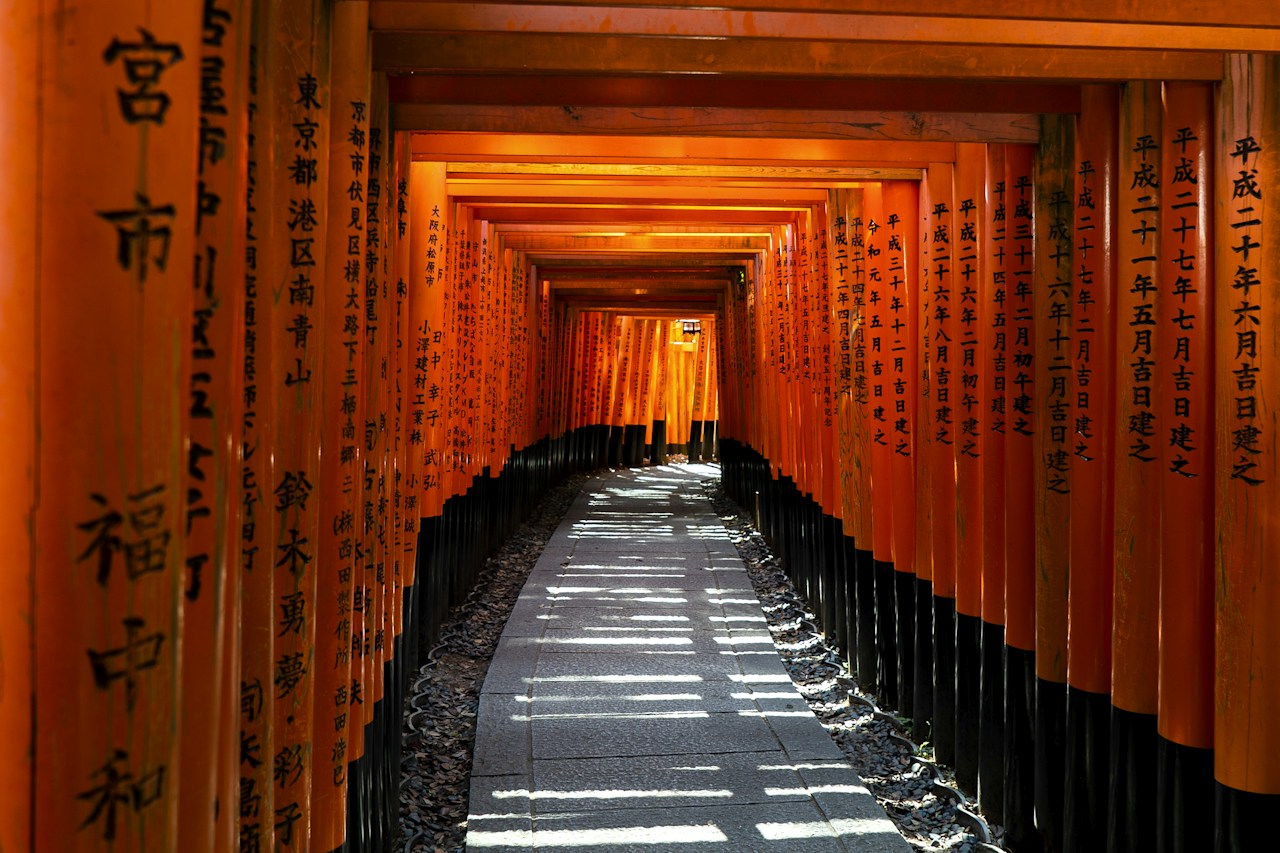
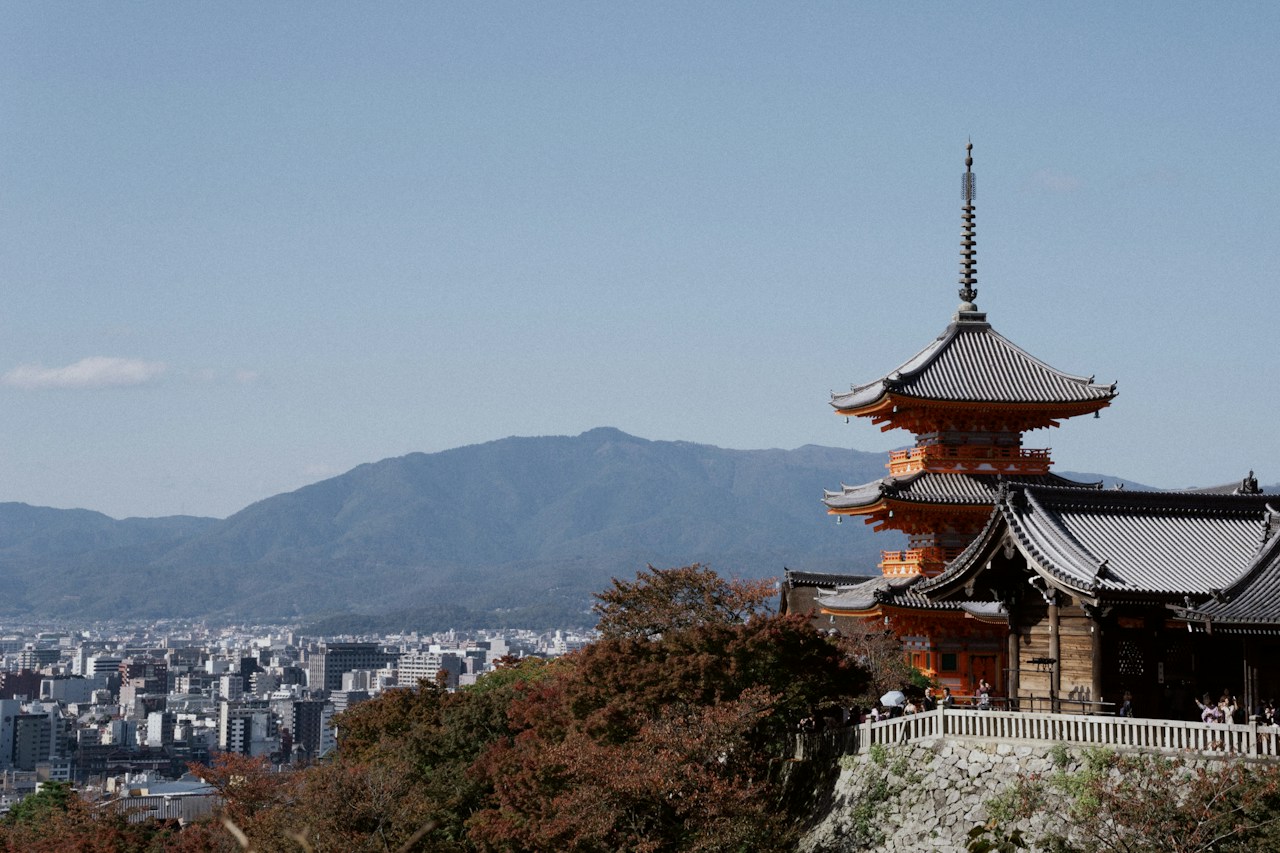
Morning: arrive and see Sanjusangen-do
Leave your luggage at the hotel and start at Sanjusangen-do. Its 120 m main hall holds a large assembly of Buddhist statues around a seated Kannon image, and you may simply look around. Shoes come off in the main hall; shoe boxes are at the entrance.
Afternoon: Heian Shrine and the Philosopher's Path
Kyoto has fewer prayer rooms than Tokyo, and most are listed on the official Kyoto City tourism site rather than in malls. For this side of the city, the Kyoto International Community House in Sakyo Ward has a small prayer room for up to five people, open 9:00 to 21:00 and closed on Mondays (or the next day if Monday is a holiday). No reservation is needed. It is in the same ward as Heian Shrine and the Philosopher's Path, so it fits Dhuhr or Asr.


The official Kyoto site also gives the qibla in Kyoto: about 69 degrees anticlockwise from true north, roughly west-northwest. Hotels in the Muslim Friendly Kyoto network lend qibla compasses, so ask the concierge.
Food on Day 5: The Kyoto City tourism site has a halal food list of restaurants with special halal menus, supervised by the Kyoto Muslim Association and the Kyoto Council for Sharia and Halal Affairs. Book or check opening days before you go.
Day 6: Nara in the morning, west Kyoto in the afternoon
Getting to Nara
According to the Nara City tourism office, the Kintetsu limited express takes about 35 minutes from Kintetsu Kyoto (with a surcharge), and the JR Miyakoji Rapid takes about 45 minutes from JR Kyoto Station. A loop bus runs from both Nara stations to the main sights around Nara Park.
Morning: Nara Park, Todai-ji and Kasuga Taisha
Feed the deer only the special deer biscuits, one at a time. Deer may bite when excited and try to eat plastic bags, maps or pamphlets, so keep food and papers in a closed bag. Male deer with antlers can be aggressive, especially in autumn.
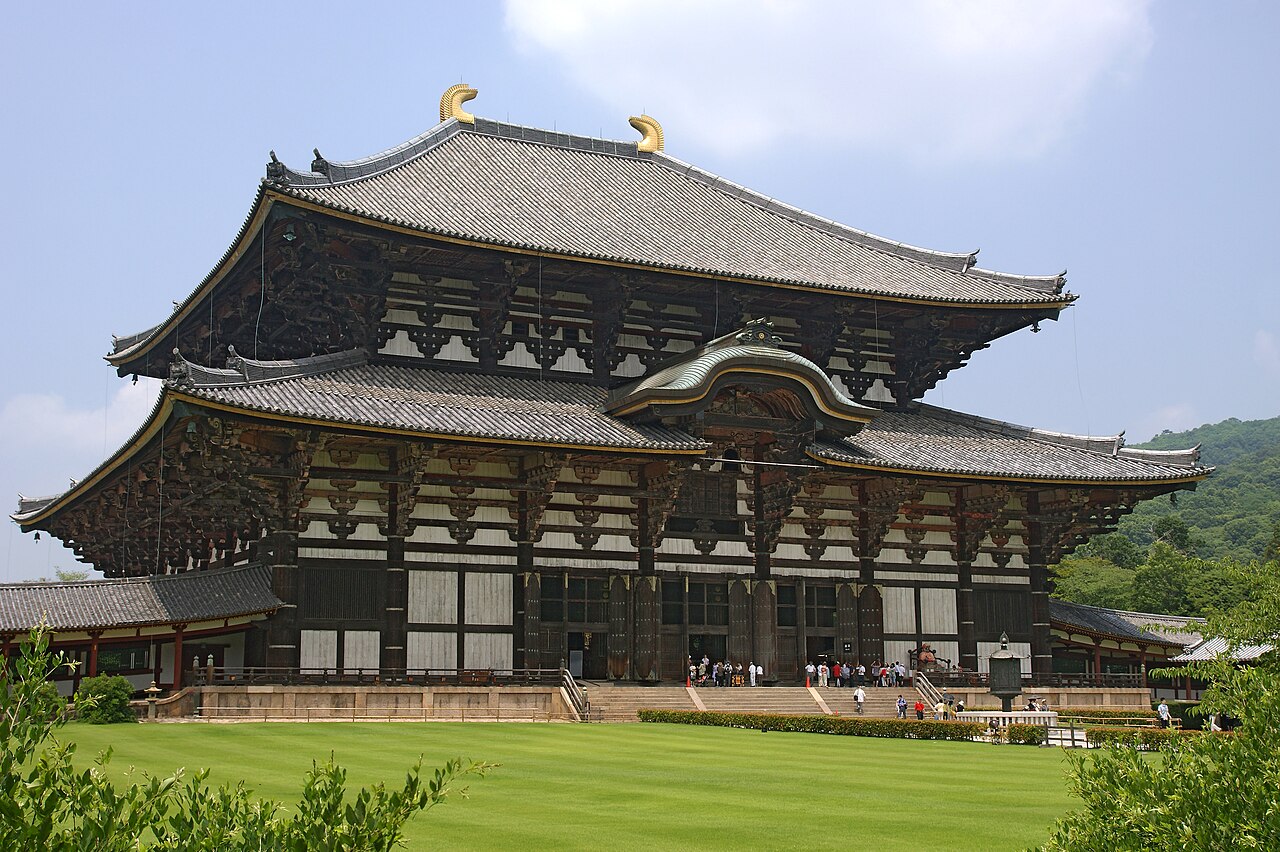
At Todai-ji, the Great Buddha Hall houses a large statue of the Vairocana Buddha, and visitors can simply look around without taking part in worship. Personal photos are fine, but no tripods or flash. The full route takes about four hours even at a quick pace, so with limited time focus on the Great Buddha Hall. Kasuga Taisha's grounds are free to walk; the Main Hall area costs a fee.

Where to pray in Nara
Nara has two verified options. The Nara City Tourist Information Center, in the former JR Nara Station building, has a prayer room open 9:00 to 17:00. The NARA Visitor Center & Inn, near Sarusawa Pond in central Nara, also has prayer rooms. Plan Dhuhr at one of these before you head back.
Nara City Tourist Information Center Prayer Room
NARA Visitor Center & Inn Prayer Rooms
Afternoon: west Kyoto
Back in Kyoto, pick one area. Nijo-jo Castle offers a prayer place if you ask at the Castle Estate office (open 8:45 to 17:00, last entry 16:00, admission ticket needed), so go there first if you are short on time. Or head to Uzumasa Kyoto Village, the period-drama theme park, whose prayer room in the Sumiyagura rest area can be used freely during opening hours. In Arashiyama, the Yosiya prayer room (11:00 to 17:00) is for its restaurant customers only.
Uzumasa Kyoto Village Prayer Room
Food on Day 6: We have not found an official halal list for Nara. Many travellers bring a simple lunch from a convenience store and eat it before entering the park, away from the deer.
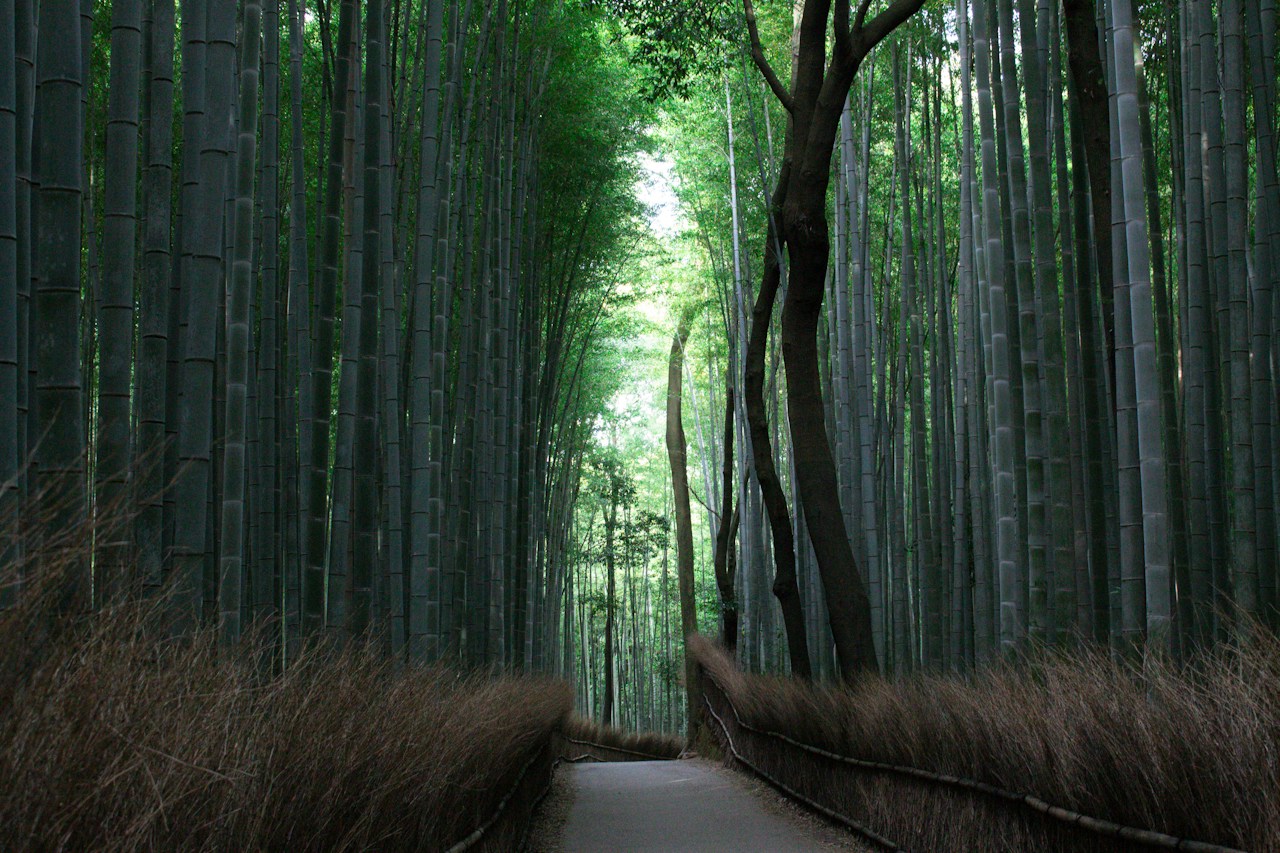
Arashiyama Muslim Prayer Room (Oagari)
- Wudu (ablution) area
Yoshiya (Yosiya) Prayer Room - Okunoniwa, Arashiyama
- Wudu (ablution) area
Day 7: Osaka and departure from Kansai Airport
Morning: Kyoto to Osaka Castle
Kyoto City's guide gives about 15 minutes by Hikari Shinkansen to Shin-Osaka, about 30 minutes by JR to Osaka Station, or about 45 minutes by Hankyu to Osaka Umeda. Leave your bags in a locker or send them ahead, and go to Osaka Castle.
The main tower is barrier-free with elevators, which saves energy between prayers. It is a museum and eating or drinking inside is not allowed; cafes are at JO-TERRACE OSAKA and MIRAIZA OSAKA-JO in the park.


Midday: Kuromon Market and Dotonbori
Kuromon Market has a few Muslim-friendly stalls, mostly selling fresh seafood. Plan 1 to 2 hours; it gets crowded from midday. Japan's national tourism organization notes several Muslim-friendly restaurants in the Dotonbori area, such as MOMO's Cafe & Restaurant.
For Dhuhr or Asr in Namba, the Namba CITY prayer room is in the Main Building B1F; sign up at the information desk on B2F (reception 11:30 to 20:00). If you are near Umeda instead, the Hankyu Umeda Main Store has separate prayer rooms for men and women on 8F, and Osaka Station City has a prayer room with ablution facilities (register first at the information desk on North Gate Building 3F; check hours on the official site).
Namba CITY Prayer Room
- Ask at reception first
Hankyu Umeda Main Store Prayer Room
- Separate spaces for men and women
Afternoon: to Kansai Airport
According to Kansai Airport, the Nankai rapi:t takes about 34 to 39 minutes from Namba, and the JR Haruka takes about 50 minutes from Shin-Osaka and about 75 minutes from Kyoto. Terminal 1 has prayer rooms on the 3rd floor and in the international gate area, with separate rooms and ablution spaces for men and women, free for all visitors. Arrive early enough to pray before boarding.
Kansai International Airport Terminal 1 Prayer Room (3F)
- Wudu (ablution) area
- Separate spaces for men and women
Kansai International Airport Terminal 1 Prayer Room (International Gate Area)
- Wudu (ablution) area
- Separate spaces for men and women
Friday prayer: which mosque on which day
Count back from your arrival date to see which day is Friday, then plan around one of these.
- Tokyo (Days 1 to 3): Tokyo Camii holds congregational prayer on Friday; general sightseeing visits start from 14:00 that day. Check its website for the khutba time. Dar Al-Arqam, As-Salaam and Masjid Nusantara are also listed in the Tokyo Muslim Travelers' Guide.
- Mt Fuji (Day 4, Option A): Fujikawaguchiko Masjid's website lists Jumu'ah at 12:45. Check before you go.
- Kyoto (Days 5 and 6): Masjid Kyoto, near the Kyoto Imperial Palace, holds Friday prayers at 12:30, 13:00 and 13:30 for men only, according to the Kyoto City tourism site. It is closed on Sundays, and prayer outside opening hours needs prior arrangement.
- Osaka (Day 7): We have not yet verified a mosque in Osaka. Masjid Kyoto is about 15 minutes from Shin-Osaka by Hikari, so it is often easiest to move Friday to a Kyoto day. Kobe Muslim Mosque, Japan's oldest (built in 1935), is another option for travellers with time.
For more detail and visiting etiquette, see Mosques in Japan for visitors.
Planning around Fajr and Isha in summer and winter
Prayer times in Japan move a lot through the year. Check the daily times for Tokyo, Kyoto, Nara and Osaka each evening and plan the next day around them.
Summer (around June to August)
Fajr is very early and Isha is late, with a long day in between. Pray Fajr in your room, then rest before breakfast. The long afternoon makes Dhuhr and Asr easy to fit in, but many prayer rooms in offices and tourist centres close around 17:00, so Maghrib and Isha usually happen at a mall, a mosque open late or your hotel. Build in a rest break in the middle of the day.
Winter (around December to February)
Fajr is later and Maghrib comes in the late afternoon. Dhuhr, Asr and Maghrib fall close together while you are still out sightseeing. Plan a prayer stop in each half of the afternoon, and pick days where a mosque or mall with long hours is on your route. Some travellers choose to combine prayers while travelling; follow the guidance of your own school or scholar.
Year-round tips
- Ask your hotel for the qibla direction, or use the compass on your phone.
- Carry a light prayer mat and a small towel for wudu. Many rooms do not have ablution facilities.
Getting around: JR Pass and IC cards
Japan Rail Pass
The official Japan Rail Pass comes in 7, 14 and 21-day versions, for Standard or Green cars. Nozomi and Mizuho Shinkansen trains are not covered on the Tokaido and Sanyo lines; pass holders must buy a special ticket for each trip (the official price for Tokyo to Kyoto is ¥4,960; check the official site before you go). You can buy it at JR ticket offices and reserved-seat machines.
Compare the pass price with single tickets before you buy. JR Central's official flyer lists a one-way Tokyo to Kyoto fare of ¥10,960 or more (April 2026). Much of your travel inside cities, the Kintetsu train to Nara and the Nankai rapi:t are not JR.
IC cards (Suica, PASMO, ICOCA)
An IC card lets you tap in and out of trains and buses and pay at many shops. JR West says ICOCA also works in the Suica and PASMO areas, but you cannot use it on Shinkansen, and in general you cannot travel between two different card areas on one trip. Welcome Suica, made for visitors, is valid for 28 days from purchase, and there is also a Welcome Suica Mobile app. Top up before long days so you are not queuing at a ticket machine near a prayer time.
Food strategy for the whole week
- Use official lists first. The Tokyo Muslim Travelers' Guide (Tokyo Convention & Visitors Bureau) lists restaurants, places of worship and shops. Kyoto City has its own halal food list. JNTO's Muslim travelers page links to more restaurant guides.
- Check claims yourself. JNTO notes that Japan has no central halal accreditation body, and that some "halal-friendly" restaurants do not have a separate kitchen. Alcohol is served in most Japanese restaurants.
- Convenience stores (konbini). JNTO suggests cut fruit, salads, nuts, edamame and onigiri, and says to check the label for mirin and alcohol before you pay. Our food labels guide explains the Japanese words for pork, gelatin and alcohol.
- Hidden ingredients. Mirin and cooking sake are common in sauces such as mentsuyu, some miso contains alcohol, and gelatin and animal fats appear in bread and sweets.
- Ask in Japanese. Our phrases guide has short lines for "no pork" and "no alcohol".
Travelling in Ramadan
Fasting while sightseeing is very possible in Japan, but you need a plan for suhoor and iftar.
- Suhoor: Hotel breakfast may start after Fajr. Buy food the evening before and keep it in your room.
- Iftar: Plan to be near a mosque or a listed restaurant at Maghrib. The Kyoto Muslim Association holds an Islamic World Festival and Iftar Party each Ramadan that is open to the public, according to the Kyoto City tourism site.
- Pace: This route has a lot of walking. Cut Day 2 or Day 6 to one area, and check the prayer-times pages each day for Fajr and Maghrib.
Frequently asked questions
Is 7 days enough for a Muslim friendly Japan itinerary?
Yes, for Tokyo, Kyoto, Nara and Osaka. Seven days is enough if you plan one main area per half-day and set a prayer stop for each prayer time. Adding Mt Fuji or Hakone makes the week fuller, so choose Option C on Day 4 if you prefer a slower pace.
Where can I pray in Kyoto?
Kyoto Mosque near the Imperial Palace welcomes visitors, and the Kyoto City tourism site lists free prayer spaces, including the Kyoto International Community House, Nijo-jo Castle (on request) and Uzumasa Kyoto Village. See our Kyoto prayer rooms page for details.
Is there a mosque near Mt Fuji?
Yes. Fujikawaguchiko Masjid at Lake Kawaguchiko was built in 2020 and welcomes visitors. Its website lists Friday prayer at 12:45, but check before you go.
Should I buy a JR Pass for this 7-day itinerary?
It depends on prices at the time you travel. Compare the 7-day pass with a Tokyo to Kyoto Shinkansen ticket plus the Haruka to Kansai Airport. Remember that pass holders need an extra special ticket for Nozomi trains.
Can I find halal food at convenience stores in Japan?
Halal-certified ready meals are rare, but JNTO suggests fruit, salads, nuts, edamame and some onigiri. Always check the ingredients label for pork, gelatin, mirin and alcohol.
What if a prayer room is closed?
Many prayer rooms follow mall or office hours. Have a backup: a mosque with long hours, your hotel, or a quiet corner where you can pray with your own mat.
Can I visit temples and shrines as a Muslim?
Yes. At Senso-ji, Meiji Jingu and Todai-ji, visitors can look around without taking part in worship. Follow the posted photo rules and take off your shoes where asked.
Plan your next step
Save the prayer rooms for Tokyo, Kyoto, Nara and Osaka before you fly. Then read How to find a place to pray in Japan, Reading food labels in Japan and Mosques in Japan for visitors. Opening hours and prices change, so check each official site before you go.