

Muslim Friendly Experiences in Japan: 11 Ideas
Last checked: 5 Nov 2026
The best Muslim friendly experiences in Japan are the ones you can plan around prayer and food: a kimono walk in Kyoto from a rental shop with its own prayer room, a teamLab art museum next to a mall prayer space, a ramen museum with prayer mats, or a day at Mt Fuji with a mosque by the lake. This guide covers eleven popular hands-on experiences and, for each one, what to wear, what to check before you eat, and where you can pray nearby.
Japan does not have many mosques, but a growing number of attractions, malls and tourist offices now offer a prayer room or will open a spare room if you ask. The trick is to match each activity with the nearest prayer place before you go, so the day flows without stress.
How to plan Muslim friendly experiences in Japan
Before the activity-by-activity guide, three habits make every day easier.
- Check the prayer times for the area first. Prayer times shift a lot between Hokkaido in winter and Kyushu in summer. Use our prayer-times pages, for example Kyoto prayer times or Tokyo prayer times, and fit each activity between two prayers.
- Know where you will pray before you book a time slot. Many prayer rooms are inside malls, stations or tourist centres, and some must be requested at an information desk. Our guide on how to find a place to pray in Japan explains how this works.
- Carry a small kit. A light prayer mat, a qibla compass app, a small water bottle for wudu and a pair of socks you can wash cover most situations, including outdoor days with no prayer room at all.
For food, read the label rather than the menu photo. Pork, lard, gelatin and alcohol (including mirin and sake used in cooking) appear in many everyday Japanese foods. Our guide to reading food labels in Japan lists the key words, and useful Japanese phrases for Muslim travelers gives you the sentences to ask staff.
Kimono rental in Kyoto
Walking through Kyoto's old streets in a kimono is one of the most photographed things you can do in Japan. Many Muslim women find it easier than they expect. A Government of Japan feature from 2020 quoted a Muslim staff member at Kyoto Kimono Rental Yumeyakata saying that "kimono cover most of our body in the same way Muslim clothes do".
Kyoto Kimono Rental Yumeyakata Gojo Shop
- Wudu (ablution) area
- Ask at reception first
Kyoto Kimono Rental Yumeyakata Oike Bettei
- Wudu (ablution) area
- Ask at reception first
Yumeyakata: prayer room and wagara hijabs
Kyoto City's official tourism site lists two Yumeyakata shops with a prayer room: the Gojo shop (353 Shiogamacho, Shimogyo-ku) and Oike Bettei (472-1 Kinpukicho, Nakagyo-ku), a 100-year-old machiya townhouse with tatami rooms and a garden. Each room holds one to five people and has a prayer mat and the qibla direction, and you can use the sink for wudu. The site notes that there are objects in the room but no religious items.
According to JNTO's Muslim guide, Yumeyakata can provide wagara hijabs (headscarves in traditional Japanese patterns) to match your kimono with advance notice, for an extra fee. JNTO also says you should request the prayer space when you book. The Gojo shop is about a 3-minute walk from Gojo Station, and Kyoto's tourism site describes it as close to Kiyomizu Temple, Gion, Higashiyama and Fushimi Inari.
Tips for Muslim travellers
- Book ahead and say what you need. Mention the hijab and the prayer room in your booking. Kyoto's site says availability may vary in peak season.
- Pray before you dress. Getting into a kimono takes time, and wudu is easier in your own clothes. Many travellers pray at the shop, get dressed, then walk.
- Plan your return. The Gojo shop's listed hours are 10:00 to 17:30 with last entry at 16:00, so in winter you may need to fit Asr in while still dressed. Check the official site before you go, as hours change.
Other Kyoto prayer places on the city's official list include Kyoto Mosque near the Imperial Palace (Tuesday to Saturday, 12:00 to 18:00), the Kyoto International Community House and Nijo-jo Castle (ask at the Castle Estate office). See all of them on our Kyoto prayer rooms page.
teamLab digital art museums
teamLab's immersive art museums are made of light, sound and mirrors that react as you move. There are three in our listings: two in Tokyo and one in Kyoto.
 teamLab Planets TOKYO DMMTokyo→
 teamLab Borderless (Azabudai Hills)Tokyo→
- teamLab Biovortex KyotoKyoto→
teamLab Planets TOKYO: water and mirrors
At teamLab Planets you walk barefoot through some of the artworks. The official site says the water can rise to knee height even for adults, and some areas have mirrored floors. Free rental shorts and wraps are offered, and free lockers are provided after the entrance gate.
For modest dress, this is the one teamLab venue to plan your outfit for. Many Muslim women choose loose trousers that roll up easily above the knee, since a long skirt is awkward on mirrored floors and in water. If you would rather not wear the rental shorts, ask for a wrap. Bring a small towel for your feet.
The official site mentions a vegan ramen from Vegan Ramen UZU Kyoto, served only inside teamLab Planets. Vegan is not the same as halal-certified, so ask staff about alcohol in the seasoning if that matters to you.
teamLab Borderless at Azabudai Hills
teamLab Borderless calls itself "a museum without a map", where you wander through rooms of art that move from space to space. It is inside Azabudai Hills, which JNTO lists as having a prayer space on the 4th floor of Tower Plaza, Mori JP Tower. That makes it one of the easiest Tokyo attractions to combine with prayer.
Azabudai Hills Prayer Space (Tower Plaza, Mori JP Tower 4F)
The same JNTO page also lists a prayer space at Tokyo Midtown, about 3 minutes' walk from Roppongi Station. For more options, see Tokyo prayer rooms.
Ramen and Cup Noodles museums in Yokohama
Yokohama, an easy day trip from Tokyo, has two food museums that are fun even if you are careful about what you eat.
Shin-Yokohama Ramen Museum
JNTO's Muslim guide describes the Shin-Yokohama Ramen Museum as a journey through the history of ramen, with part of the museum recreating the narrow streets of a mid-twentieth-century Japanese town lined with ramen shops. It is a 5-minute walk from Shin-Yokohama Station.
Most importantly, JNTO says a room for prayer with a qibla compass and prayer mats is available inside the museum.
Shin-Yokohama Ramen Museum Prayer Room
Most ramen broth in Japan is made with pork or chicken bones, and the toppings often include pork. Ask each shop directly what is in the broth, the tare (seasoning) and the toppings before you order. Do not assume a bowl is suitable because it is labelled chicken or seafood.
Cupnoodles Museum Yokohama

At the Cupnoodles Museum you can design your own cup at the My CUPNOODLES Factory, choosing one of four soups and four toppings from twelve, or make Chicken Ramen by hand at the Chicken Ramen Factory. The official site says the Chicken Ramen Factory needs a reservation and the My CUPNOODLES Factory needs a numbered ticket. Adult admission is listed at 500 yen, and high-school-age visitors and younger enter free. Check the official site before you go.
The official English page does not say whether any soup or topping is halal. Many Muslim visitors still enjoy designing the cup as a souvenir and decide later whether to eat it after checking the ingredients label. In Yokohama, JNTO also lists a prayer room at Yokohama World Porters, available on request from the 2F information counter.
Yokohama World Porters Prayer Room
- Ask at reception first
Ninja and samurai experiences
Dressing up as a ninja or samurai is popular with families, and it involves loose costumes worn over your own clothes, so it is usually simple for modest dress.
Ninja-Do in Osaka
JNTO's Muslim guide lists Ninja-Do in Osaka (4F Wakaba Building, Nishinari-ku), about a 2-minute walk from JR Shin-Imamiya Station. You dress as a ninja, practise ninja movements and weapons such as shuriken, and try a VR battle against a virtual samurai. JNTO says a prayer space with prayer mats and a qibla compass can be provided with prior notice, and that you should book at least one day ahead.
Ninja-Do Prayer Space (on request)
- Ask at reception first
Uzumasa Kyoto Village (Toei Kyoto Studio Park)
Kyoto's official tourism site describes Uzumasa Eigamura as a theme park on a working period-drama film set, with ninja shows and the chance to dress up as a samurai or geiko. The park's own guest services page says a prayer room in the Sumiyagura rest area can be used freely during opening hours.
Uzumasa Kyoto Village Prayer Room
Tea ceremony
A Japanese tea ceremony is a quiet, structured way of preparing and serving matcha, usually with a small sweet. It is a cultural practice rather than a religious one, so it is generally easy to join. The two things to check are the sweets (some contain gelatin or are made with alcohol, so ask) and sitting position, since guests traditionally kneel in seiza.
Options with prayer facilities
- Kyoto International Community House. Kyoto's official tourism site says it holds a Japanese tea ceremony every Tuesday with advance reservation. The same building has a small prayer room for up to five people, open 9:00 to 21:00 and closed on Mondays.
- Gyokuro no Sato, Shizuoka. Shizuoka Prefecture's official food site says that "even those who are not good at sitting seiza can easily experience a tea ceremony" here. It lists a prayer space in a Japanese-style room on the 2nd floor of Cha-no-Katei, and describes the venue as halal-certified with a Muslim cook and no alcohol served.
Gyokuro no Sato Prayer Space
Deer in Nara
Nara Park is famous for its deer, which roam freely among visitors. It is a relaxed half-day, and the temples and shrines around the park are open for you to simply look around.

Tips for Muslim travellers
- Feed the deer only the special deer biscuits, one by one and quickly. Deer may bite when excited, and they may try to eat plastic bags, maps or pamphlets.
- Take care in autumn, when male deer with antlers can become aggressive.
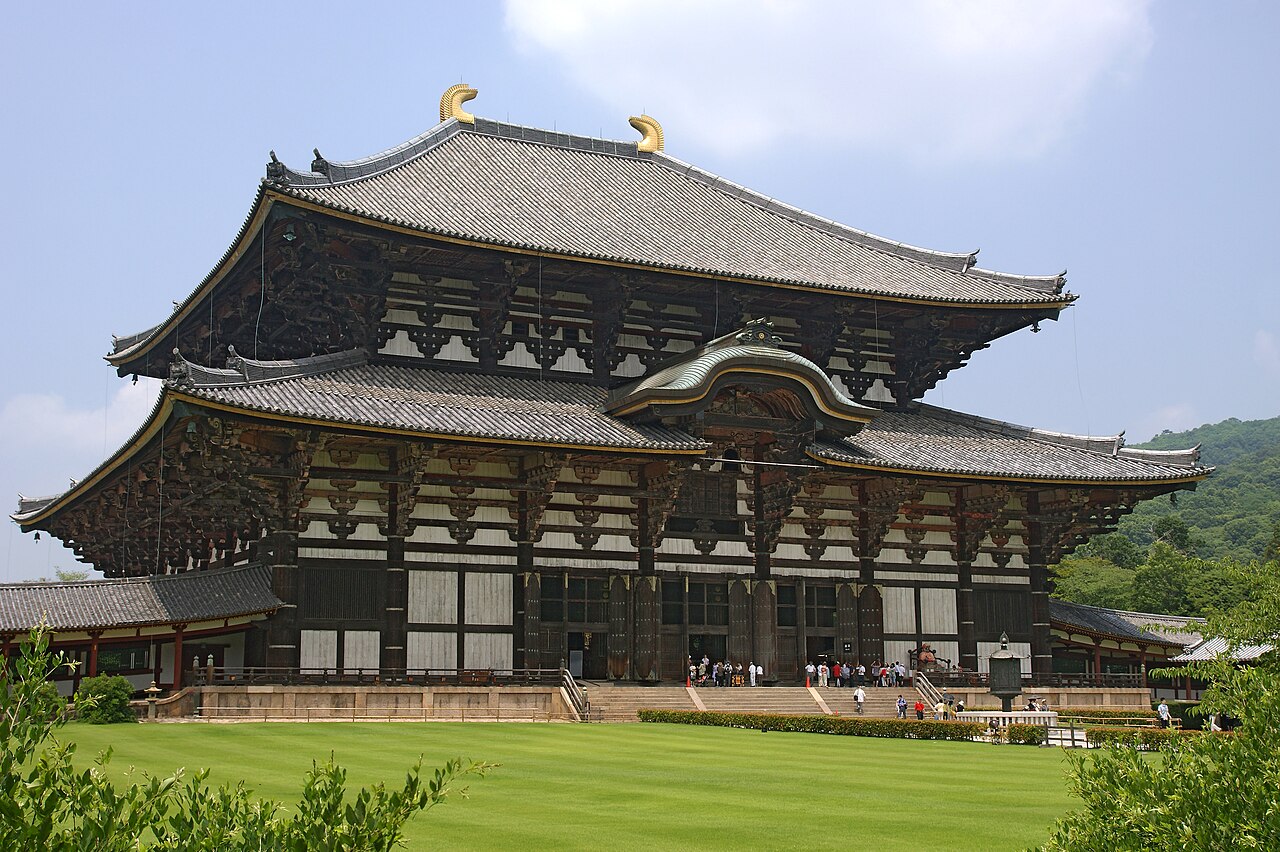
- Visiting temples and shrines. At Todai-ji and Kasuga Taisha you can walk the grounds and look around without taking part in any worship. Todai-ji's full route takes about four hours even at a quick pace, so fit it between prayers or focus on the Great Buddha Hall.
Prayer in Nara
Nara has two convenient prayer rooms: the Nara City Tourist Information Center in the former JR Nara Station building (prayer room open 9:00 to 17:00) and the NARA Visitor Center & Inn near Sarusawa Pond. JNTO also lists a sushi-making class at Umemori Sushi School near Nara Park, where Muslim-friendly soups and side dishes can be added with at least one day's notice.
Nara City Tourist Information Center Prayer Room
NARA Visitor Center & Inn Prayer Rooms
More options are on our Nara prayer rooms page.
Monkeys: Jigokudani Snow Monkey Park and Arashiyama


Jigokudani Snow Monkey Park, Nagano
Wild Japanese macaques bathe in hot spring pools here, mostly from December to March, the coldest months. It is a winter highlight, but it needs planning:
- The park is about a 30-minute walk on an unpaved path from the parking lot or bus stop, so count an hour for the round trip and plan your prayer around it.
- Hiking shoes are recommended in summer and snow boots in winter, and simple crampons are advised for winter visits.
- Watch the monkeys from a distance and do not upset them. Selfie sticks are prohibited.
We have no verified prayer room near the park, so many travellers pray at their hotel before setting out and carry a mat for Asr. Dress in warm layers that let you do wudu without undressing fully, such as sleeves you can push up.
Arashiyama Monkey Park Iwatayama, Kyoto
Closer to the city, this hilltop park in Arashiyama makes an easy half-day. For prayer in the area, Kyoto's official tourism site lists the Yosiya prayer room in Saga-Tenryuji (11:00 to 17:00), a tatami room with a wash basin for wudu, available only for restaurant patrons.
Mt Fuji activities


Lake Kawaguchiko and the Fuji Five Lakes
The lakes on the Yamanashi side are the most popular place to see Mt Fuji. The area has a mosque, Fujikawaguchiko Masjid, built in 2020. JNTO says a cafe in the building offers menu options for Muslims, and the mosque's own site says visitors are welcome and Friday prayer starts at 12:45.
Fujikawaguchiko Masjid
Nearby, Fuji-Q Highland amusement park has a prayer room, and JNTO says its food court serves Muslim-friendly food and drinks. On the Shizuoka side, JNTO lists prayer rooms at Gotemba Premium Outlets, one of the area's well-known Fuji viewpoints.
Fuji-Q Highland Prayer Room
Gotemba Premium Outlets Prayer Room
- Wudu (ablution) area
Climbing Mt Fuji
The official Mt Fuji climbing site says the Yamanashi side (Yoshida Trail) is scheduled to open from 1 July to 10 September 2026. A hiking fee of 4,000 yen must be paid in advance with a reservation, and the gate closes from 14:00 to 03:00 and once 4,000 climbers have passed in a day. Overnight "bullet climbs" without a mountain hut are discouraged, and you need cold-weather clothing, separate rain gear and proper footwear. Check the official site before you go, as rules are reviewed every year.
On the mountain there are no prayer rooms. Many Muslim climbers use tayammum when water is scarce and combine prayers while travelling, following their own scholars' guidance. Mountain huts are shared spaces, so a quiet corner and your own mat are the practical solution.
Cycling the Shimanami Kaido


The Shimanami Kaido is a 70 km cycling road that links islands of the Seto Inland Sea between Onomichi (Hiroshima) and Imabari (Ehime), crossing nine bridges. Japan's national parks site says there are ten rental terminals where you can rent and drop off a bike anywhere. It lists one-day rates of 3,000 yen for adults, 4,000 yen for a pedal-assist bike and 8,000 yen for an e-bike. Plan about four hours for experienced cyclists and about ten hours for beginners. Check the official site before you go.
Tips for Muslim travellers
- Plan the day by prayer times. A beginner's full crossing can cover three prayers. Download Hiroshima prayer times before you start.
- Pray outdoors with your own kit. There is no verified prayer room along the route. A light mat and a quiet spot near a rest area or beach works for many riders.
- Dress for cycling and modesty. Loose long sleeves, cycling trousers under a longer top and a sports hijab that stays put under a helmet work well.
- Bring your own snacks. Island convenience stores are small, so pack food you have checked.
The nearest verified prayer room on the Hiroshima side is at Hiroshima Airport, in the international arrivals lobby on 1F, with no reservation needed.
Hiroshima Airport Prayer Room
Snow and skiing in Hokkaido and beyond


Hokkaido
JNTO's Muslim guide describes the Asahikawa area as having many ski slopes with powder snow, including slopes suitable for beginners, and says you can rent skiwear and equipment. Asahiyama Zoo is known for its penguin walk, held only in the snowy season. Asahikawa City also runs a free ice rink in front of JR Asahikawa Station every winter.
Hokkaido has some of Japan's best prayer coverage for travellers:
- Asahikawa Airport has a prayer room with a wudu facility, free to use while the airport is open.
- The Asahikawa Tourism and Local Products Information Center at JR Asahikawa Station has a prayer space with a mat and qibla compass.
- Asahiyama Zoo offers a prayer space at its support centre on request; JNTO recommends telling the zoo a few days ahead.
- In central Sapporo, the Hokkaido Tourism Organization lists a prayer space at Sapporo Factory (3-jo Hall, 3F), and Sapporo Masjid has a women's prayer room on 4F.
Asahikawa Airport Passenger Terminal Prayer Rooms
Asahiyama Zoo Prayer Space (on request)
- Ask at reception first
Sapporo Factory Prayer Space
Sapporo Masjid
- Separate spaces for men and women
Snow closer to Osaka and Kobe
If you are based in Kansai, Rokkosan Snow Park above Kobe has a prayer room open during park hours in winter, according to Kobe's official tourism site.
Rokkosan GREENIA (summer) / Rokkosan Snow Park (winter) Prayer Room
- Ask at reception first
Winter tips
- Wudu in the cold. Many travellers do wudu indoors at the hotel or prayer room before heading out, and wear waterproof socks or boots they can keep on.
- Layer modestly. Ski jackets and trousers are naturally loose. A thin sports hijab or balaclava-style underlayer fits under a helmet, and JNTO advises wearing a cap and gloves to prevent injury.
- Short days. Winter days in Hokkaido are short, so Dhuhr and Asr can fall close together. Check Hokkaido prayer times the night before.
Frequently asked questions
Can Muslim women wear a kimono with a hijab?
Yes. A kimono covers most of the body, and you keep your own hijab or choose a patterned one. JNTO says Yumeyakata in Kyoto can provide wagara hijabs that match the kimono with advance notice, for an extra fee. Mention it when you book.
Which Japanese attractions have a prayer room inside?
Examples verified from official sources include the Shin-Yokohama Ramen Museum, Uzumasa Kyoto Village, Fuji-Q Highland, Asahiyama Zoo (on request) and Rokkosan Snow Park. Two Yumeyakata kimono shops in Kyoto also have one. Others, such as teamLab Borderless, sit inside complexes with a prayer space, like Azabudai Hills.
Is teamLab Planets suitable for modest dress?
It can be, with planning. You walk barefoot through water that can reach the knee, and some floors are mirrored. Many Muslim women wear loose trousers that roll up above the knee, and the venue offers free shorts and wraps.
Can I eat the ramen at the Shin-Yokohama Ramen Museum?
Ask each shop. Most ramen in Japan uses pork or chicken broth and other seasonings that may not suit you. The museum itself offers a prayer room with a qibla compass and mats, according to JNTO.
Where can I pray near Mt Fuji?
Fujikawaguchiko Masjid near Lake Kawaguchiko welcomes visitors, and Fuji-Q Highland and Gotemba Premium Outlets have prayer rooms. On the climbing trails there are no prayer facilities, so bring your own mat.
Is a tea ceremony against Islam?
A tea ceremony is a cultural practice of preparing and serving matcha, not a religious ritual, and many Muslim visitors take part. Ask about the sweets, which may contain gelatin or alcohol.
What should I bring for outdoor experiences with no prayer room?
A light prayer mat, a qibla compass app, a water bottle for wudu, and clothes that let you do wudu easily. Check our prayer-times pages for the area the night before.
Plan your Muslim friendly trip
Each of these experiences works well when you pair it with a nearby prayer place and a quick check of the ingredients. Start with our guides on finding a place to pray in Japan and mosques in Japan for visitors, then browse the prayer rooms for Kyoto, Tokyo, Kanagawa, Yamanashi and Hokkaido. For food in Tokyo, the official TOKYO MUSLIM Travelers' Guide lists participating restaurants and places of worship.