

What to Pack for Japan: A Muslim Traveler’s Guide
Last checked: 6 Nov 2026
For Muslim travelers packing for Japan, the most useful starting point is the weather and the way you will spend your days. Choose modest clothing that works for your own preferences, then plan for walking, rain, indoor heating or cooling, laundry and any activities with specific rules. You do not need a separate outfit for every attraction.
A small, coordinated wardrobe and an organized day bag are usually more useful than a large suitcase filled with possible solutions. This guide helps you choose what deserves space, what can stay in your accommodation and what should be checked with an operator before you travel.
Check the route before deciding what to wear
Japan does not have one climate for every destination. JNTO's weather guide describes seasonal differences across the country, with hot and humid summers, cooler autumn conditions and substantial regional variation in winter. The clothes suitable for a city walk in one region may not suit a snowy outing or mountain visit elsewhere. [1]
List your actual destinations and dates. Add the activities that affect clothing: a long outdoor walk, an indoor exhibition, a snow excursion, cycling, a formal dinner or any place that requires shoes to be removed. Pack for that list, not for every image of Japan you have seen online.
Check the forecast close to departure and again during the trip. The Japan Meteorological Agency provides local forecasts, weather warnings, rainfall and tropical-cyclone information. A seasonal summary is useful for initial packing, but it does not replace conditions for the day and place you will visit. [2]
Build a small wardrobe around layers
Choose pieces that work together rather than complete outfits that cannot be mixed. A comfortable base, a layer for warmth and an outer layer for wind or rain can cover more situations than several heavy items with the same purpose.
For modest dress, consider opacity, movement and comfort together. Test clothing in daylight and while sitting, reaching or climbing stairs. Something that looks opaque in a bedroom mirror may behave differently outdoors, and a long hem may be awkward on wet steps or escalators.
If you wear hijab, pack options suited to your preferences in heat, rain and wind. Think about how you will secure it comfortably for a long day, whether the fabric dries quickly enough for your plans and how it works with a hood or winter coat. Do not assume that a scarf bought as a souvenir will have the size or opacity you need.
Men should consider the same practical questions about coverage, temperature and movement. The objective is not to prescribe one style of Muslim clothing; it is to make the clothing you choose work comfortably in the settings you will encounter.
Test a complete outfit rather than a pile of separate items
Before departure, put on the clothes, outer layer, head covering and shoes you expect to wear together. Carry the day bag and move as you would during a travel day: sit down, reach for a ticket, climb a few steps and bend to pick something up. This reveals combinations that are comfortable individually but awkward together.
Check coverage according to your preferences in different positions and lighting. If you use pins, clips or additional layers, pack the small items that make the outfit work. A spare is useful when losing one piece would make several outfits difficult to wear. Choose familiar arrangements where possible rather than relying on a completely new system during a busy first morning.
Try the same outfit with the rain layer you intend to bring. Check whether the hem catches, whether the bag strap pulls the clothing out of place and whether you can reach your pockets. If an item needs frequent adjustment at home, it may need even more attention while you are carrying luggage.
Spring: prepare for changes within the day
For a spring trip, plan removable layers rather than relying on one thick coat for every situation. Check your destinations carefully: the word “spring” does not tell you the temperature at a particular altitude or in the north of the country.
A light outer layer, a warmer mid-layer and a practical rain option can be easier to adjust than a bulky single garment. Make sure the pieces fit together over the clothes you intend to wear, including looser sleeves or a head covering if applicable.
Choose footwear for the amount of walking, not only for photographs. If you plan to wear a formal or traditional outfit for part of the trip, keep a separate realistic walking option. Carrying an extra pair may be worthwhile if it prevents an uncomfortable day, but avoid bringing several pairs that serve essentially the same purpose.
Summer: consider humidity, movement and drying
For summer, compare clothing by how it feels during a full day outdoors and how easily it can be washed and dried. Breathable, comfortable layers may be more useful than several heavy pieces chosen solely for coverage. Check opacity before deciding that a thinner fabric will solve the problem.
Choose silhouettes that let you move comfortably and manage your own coverage preferences. Plan how a long outer garment behaves in crowds, on steps and in wet weather. If you use more than one layer, test the complete combination at home rather than judging each piece separately.
Build rest and indoor alternatives into hot-weather days. JMA's information includes heat alerts as well as ordinary forecasts. Follow current official advice and seek individual medical guidance if you have health concerns; a clothing list cannot assess your personal risk. [2]
A small towel and a way to carry used or damp items can make the day bag easier to manage. Keep anything wet separate from papers and electronic devices. Check whether your accommodation has laundry and drying facilities instead of assuming clothes will dry overnight in the room.
Rainy weather: think beyond an umbrella
An umbrella can help in ordinary rain, but it does not solve wet footwear, long hems or a bag that lets water through. Choose a combination that fits how you travel: a suitable outer layer, protection for important items and shoes you can manage if the pavement is wet.
Test whether your rain layer fits over your normal clothing and bag. A tightly fitted jacket may be uncomfortable over loose sleeves; a hood may not stay in place over the way you wear your head covering. A practical item is one you will actually use without constantly adjusting it.
Have a place for a wet umbrella and damp clothing when entering shops, trains or accommodation. Follow local instructions and avoid dripping water onto shared seating or floors. Do not spread wet items across a room in ways that damage furnishings or block movement.
For severe-weather warnings, change the plan according to official information and operator notices. Extra rain gear is not a reason to continue an outing that should be postponed.
Autumn: pack for the region, not the calendar alone
A trip that combines several regions can need different layers even within the same week. Check the forecast for the evening as well as the middle of the day, especially if your plans include outdoor views after sunset.
Choose a mid-layer that can be carried without dominating your bag. If you remove a coat while indoors, consider how you will carry it on crowded transport. A large garment that must be held all afternoon can be inconvenient even if it is comfortable outside.
Do not let a seasonal photo plan determine impractical footwear. Viewpoints, gardens and older streets can involve uneven surfaces, steps and long standing periods. Match the shoes to the route, then choose clothing around them.
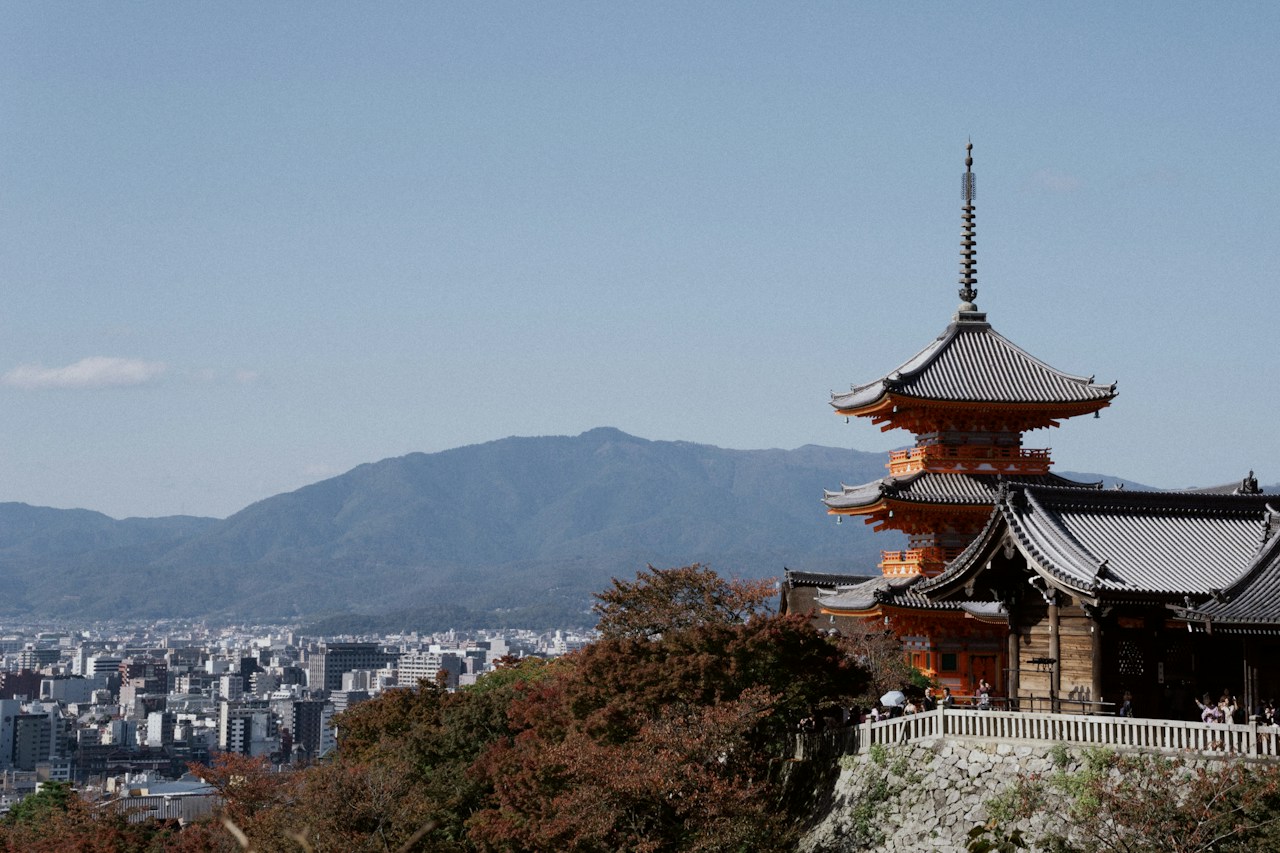
In Kyoto, autumn leaves at temples such as Tofuku-ji and Kiyomizu-dera draw large crowds, so expect long walks on slopes and steps.

Winter: separate city travel from snow activities
First decide whether your winter trip is mainly urban sightseeing or includes snow and ice. One outfit may not serve both well. Check the location, altitude, forecast and activity operator's requirements before deciding that an ordinary city coat and sneakers will be enough.
Plan warmth in layers and consider the parts of the day spent waiting outside. Gloves, socks and a head covering that works with your chosen clothing may matter as much as the coat. Test how easily you can use your phone, tickets and bag without repeatedly unpacking everything.
If you need specialist footwear or equipment for a snow activity, ask what can be rented and what you must supply. Confirm sizes and availability rather than assuming a resort or tour operator will have every item you need. Rentals can reduce luggage, but only if the actual arrangement works.
Remember that you will also spend time in heated interiors. Choose layers you can remove and carry comfortably. Wearing all your warmest clothes on a train may be as awkward as carrying too little outside.
Choose shoes for repeated use
Try your main walking shoes before the trip. Consider fit after a long day and whether you can remove and put them on conveniently. If your itinerary includes interiors with footwear rules, difficult fastenings may become annoying when repeated.
Pack socks that fit your comfort and dress preferences. Keep a spare pair accessible if wet weather or an activity makes that useful. Do not assume a facility will provide socks or that all indoor shoes can be worn with every style of clothing.
For long garments, test the combination with your actual footwear. Look at how the hem behaves when walking, climbing stairs and stepping onto an escalator. Adjust the outfit before you travel rather than discovering the problem on a busy station staircase.
A compact prayer kit
Carry the items you personally need for prayer, in a clean pouch that can be reached without emptying the bag. Depending on your practice, that may include a compact mat, prayer clothing or another covering, and a small towel. Check any facility rules before using a room or washing area.
Save the prayer timetable and qibla information you intend to use. If you rely on a phone, consider how you will access essential information when the battery is low or the signal is weak. An offline copy can help, but it must be for the correct dates and location.
Do not pack an entire second wardrobe if one suitable item serves your needs. Try the kit at home, fold it and see whether it fits in the bag you will carry. The best travel kit is the one you are comfortable using and willing to bring each day.
This is a packing section rather than guidance on religious alternatives or washing procedures. For those questions, follow the religious guidance you normally use and the rules of the facilities you visit.
To find a place to pray along your route, see how to find a place to pray in Japan and the prayer room lists for each area, such as Tokyo and Kyoto.
Separate the day bag from the suitcase
Keep the items needed between leaving your room and returning to it in a smaller bag. That usually includes essential documents, your chosen prayer items, a layer or weather protection, any personal essentials and information about the day's bookings.
Avoid carrying everything simply because you may need it at some point in the week. Larger toiletries, spare clothing and most purchases can remain securely in your accommodation until needed. Repack the day bag each evening according to the next day's plan.
| In the day bag | Usually in the main luggage |
|---|---|
| Essential travel and booking information. | Nonessential papers and packaging. |
| The prayer items you use during an outing. | Spare or bulky items not needed that day. |
| One appropriate weather layer. | Alternative clothing for other conditions. |
| A small amount of personal supplies. | Full-size supplies and laundry equipment. |
| A way to protect valuables from rain. | Gift purchases packed for onward travel. |
Prepare a calm airport arrival outfit
Your arrival clothes may need to work for a flight, luggage collection, transport and several hours before access to your room. Choose layers you can adjust without repacking the suitcase. Keep any small clothing items you may need during the journey in an accessible part of your permitted hand luggage.
Think through the sequence from the airport to the accommodation. If you need to retrieve a booking reference, use a ticket machine or handle a suitcase, it helps to have your hands reasonably free. A bag you can close securely and carry comfortably may be more useful than one that looks ideal only when nearly empty.
The return journey deserves the same attention. Set aside your travel outfit before packing souvenirs and laundry. Check that the clothes and shoes you need have not been buried at the bottom of a case. A little organization on the final evening can prevent a rushed departure.
Plan laundry before choosing quantities
Ask whether laundry equipment is in the room or shared, what it costs and whether drying facilities are available. A listing that mentions a washing machine does not necessarily establish how long a full wash-and-dry cycle will take or whether it suits all your garments.
Read the care labels on your own clothing. If an item cannot be washed or dried using the facilities available, do not build a minimalist packing plan around washing it every other day. Bring a suitable alternative or adjust the quantity.
For shared machines, plan around access hours and other guests. Set a reminder to collect your items and keep them identifiable. If you hand-wash, follow accommodation rules and avoid drying clothing where it can damage surfaces or create a hazard.
A realistic laundry plan can reduce luggage, but only if you leave time for it. A night when you arrive late and depart early is not a reliable laundry opportunity simply because the hotel has machines.
Pack for accommodation changes and laundry interruptions
A laundry plan should include the possibility that your first choice is unavailable. You may arrive later than expected, find the machines occupied or decide that an evening out matters more than washing clothes. Carry enough everyday essentials to absorb a modest change without having to buy a whole replacement wardrobe.
Separate clothes that are ready to wear from those waiting to be washed. If your room has little storage, a simple bag system can prevent repeated unpacking. Keep garments that need particular care identifiable so that a helpful companion does not accidentally wash them with everything else.
On the night before changing accommodation, check what is still drying before closing the suitcase. Follow the property's rules about where clothing can be hung. If an item is not ready to pack, decide how to handle it before checkout time rather than discovering the problem while the rest of the group is leaving.
Check special activities individually
Swimming, cycling, snow activities and interactive exhibitions may have specific clothing or equipment requirements. Read the actual operator's instructions, and ask about modest options if the published information does not resolve your needs.
Do not infer that a long skirt, head covering or full-coverage swimwear will be accepted or suitable for every activity. Explain the item and ask for a clear answer. If no workable arrangement is confirmed, choose an alternative activity rather than relying on an exception at the entrance.
For a formal meal or photography booking, ask what is expected and what is optional. You may not need to pack a separate outfit if a coordinated everyday set works. The operator should be able to describe its own requirements without determining your personal religious choices.
Manage luggage for the transport you will use
Measure your suitcase and check the current rules of the train operators and airlines on your route. JR Central publishes baggage guidance for the Tokaido Shinkansen, distinguishing luggage by size and explaining storage arrangements. Do not assume that every bag can go anywhere on the train. [3]
Choose a case you can move yourself on the routes you expect to use. Even where elevators exist, finding the appropriate route can add time. Leave room for purchases rather than departing with every compartment already full.
If you use luggage delivery, confirm the collection and delivery dates, address, acceptance arrangements and prohibited contents with the service. Keep essential clothing and personal items with you for any period when your case is elsewhere.
Three sample packing approaches
A week in cities with one laundry opportunity
Build a small set of compatible daily clothing, one appropriate outer layer and the personal items you will use repeatedly. Add enough spare clothing to cover a missed laundry session. Choose one main pair of comfortable shoes and only an additional pair with a clear purpose.
The key is coordination. If every top works with only one bottom, the wardrobe is less flexible than its item count suggests. Lay out the combinations before packing and remove pieces that duplicate a function without adding a useful option.
A trip combining cities and a snowy outing
Separate everyday urban clothing from the requirements of the snow activity. Ask what the operator supplies, then pack the gaps. Keep the extra equipment manageable and choose a bag arrangement that does not require unpacking winter gear on every city transfer.
If the snow portion is brief, rental may be worth investigating, but compare the actual availability, sizing and cost. Do not reduce luggage by assuming a rental arrangement that has not been confirmed.
A family with different clothing needs
Pack by person and function rather than filling one shared case with unsorted items. Keep a change of essential clothing accessible for each child where appropriate, and agree who carries the shared supplies. Avoid duplicating bulky items in every bag when one serves the group.
Choose a daily repacking routine so that rain protection, prayer items and personal supplies return to the correct bags. A family packing list is useful only if everyone knows where things are.
A final check before closing the suitcase
- Have you checked forecasts for every region, not just the arrival city?
- Do the clothes work together for your coverage and comfort preferences?
- Have you tested the shoes and the full walking outfit?
- Can you manage wet clothing and an unexpected change of weather?
- Does the laundry plan fit the actual schedule?
- Are special-activity requirements confirmed?
- Can you carry the main luggage yourself?
- Are essential items accessible if the main bag is delayed or delivered separately?
Use a final packing review with a purpose
Ask three questions of each bulky item: which day will I use it, what requirement does it meet, and could something already packed serve the same purpose? Keep items that answer a real need, even if they are used infrequently. Remove extras that exist only because you have not decided what the trip involves.
Then check the opposite problem: a small missing item that makes several others unusable. Examples might include the belt a garment requires, a familiar fastening or the bag you planned to use for laundry. This review is about functional combinations rather than achieving an impressively small packing list.
Take a photograph of the final layout if it helps you repack later. When you return home, note what you repeatedly used and what stayed untouched. That personal record will improve your next packing list more than copying someone else's ideal suitcase without considering how you travel.
Frequently asked questions
Do I need different modest clothing for every season?
You may be able to reuse a coordinated base wardrobe with suitable layers. Decide from your route, forecast and personal comfort rather than the season name alone.
Can I buy everything after arrival?
Do not depend on finding particular sizes, fabrics or religious clothing immediately. Bring the essentials you need from the first day, then treat shopping as an option.
Should I bring a large prayer mat?
Choose what you need and can comfortably carry. Test the packed size in your actual day bag.
Is one pair of shoes enough?
That depends on your activities and weather. A second pair is useful when it has a distinct purpose, but several similar pairs can add weight without much benefit.
What is the most common planning mistake?
Packing for an imagined average day rather than the route you have booked. Match clothing, laundry and luggage to the real journey.
Pack for comfort, coverage and movement in the places you will actually visit. A smaller set of well-chosen items, backed by current weather information and a realistic laundry plan, can make the whole trip easier to manage.
Sources and checks
Official sources reviewed on 5 November 2026. Published services, prices and event arrangements can change. Examples of questions and planning routines are editorial suggestions, not statements of religious certification.
- JNTO: Weather — Seasonal and regional climate context.
- Japan Meteorological Agency: Information menu — Forecasts, warnings and other current weather information.
- JR Central: Shinkansen baggage guidance — Consult current route-specific baggage arrangements.